

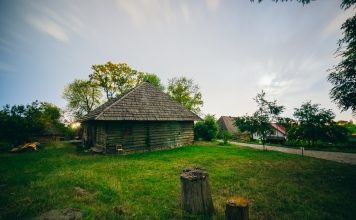
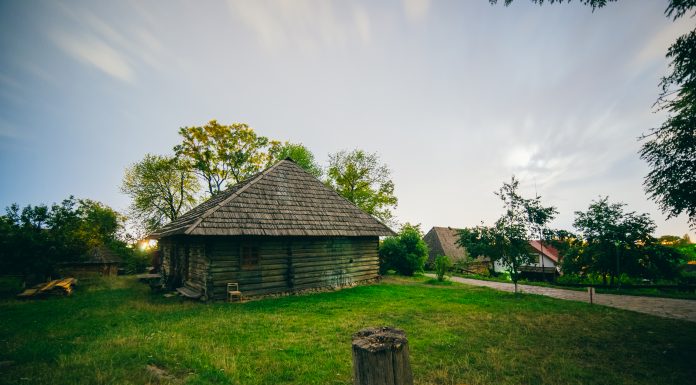
The Transcarpathian museum of architecture and everyday life – is an ethnographic open-air museum. It was opened in June 1970 as first museum in Ukrainian SSR which consisted of architectural monuments of ancient Transcarpathian village and exhibits of folk art. It covers an area of 5.5 hectares and located on Castle Hill near Uzhgorod Castle. The museum has samples...
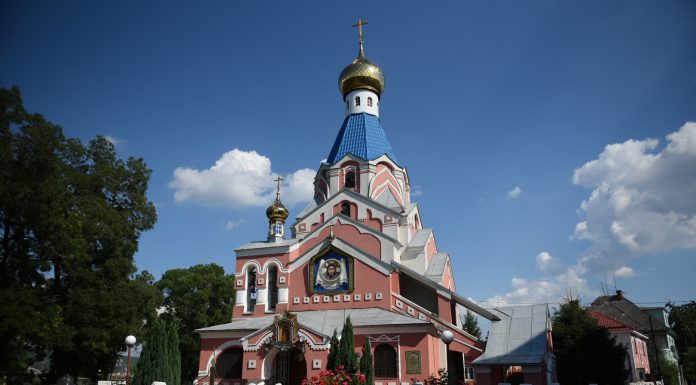
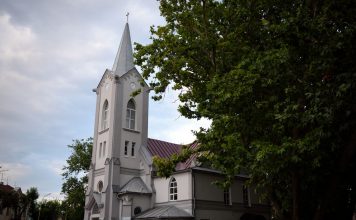
Pokrovska Church (Orthodox Embankment № 23) was built in 1930 designed by Russian architect B. Kolomatskiy (1896-1980) with funds of Russian emigrants and Duchess Anastasia. This is a smaller version of the church in Kolomna near Moscow. The temple was acting at the time of the Hungarian occupation of 1938-1944 years and partly in the Soviet period. In the...

There was ecclesiastical girls' educational institution of the city - Roman Catholic Lyceum of St. Gizella . According to the Hungarian history St. Gizella (985 - 1065) was the wife of the first Hungarian king Ishtvan I Saint (975 - 1038), who made Hungarians Christians. After death of Gizella’s husband she returned to motherland – Bayern, made monastic vows...
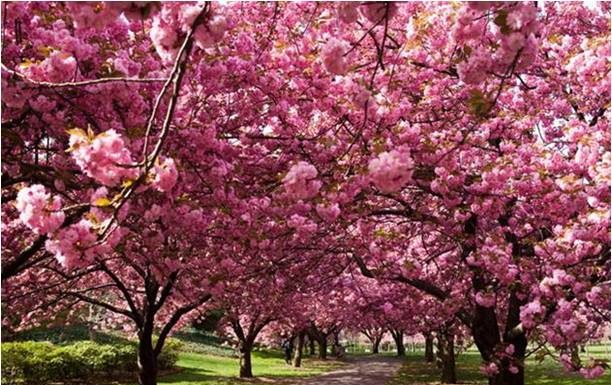
In mid-April Uzhgorod is painted in pink with cherry blossoms. This event brings tourists from all around the world. During this time Uzhhorod holds the traditional festival "Sakura Fest", with various art exhibitions, fairs and art performances of Transcarpathian musicians.
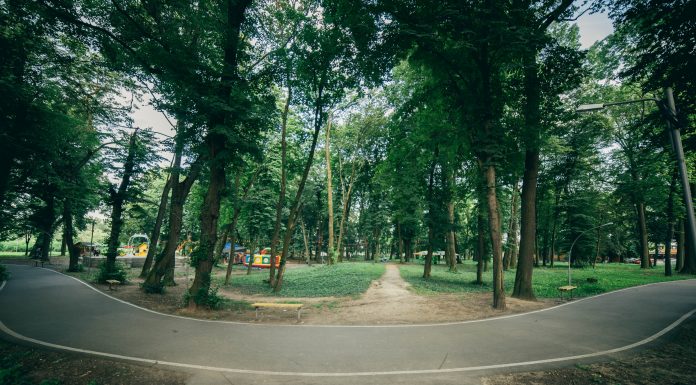
This park appeared in the middle of XVI century. Historical documents showed that in 1553 Ferenc and Gaspar Drugets attacked the Pavlican monastery and took possession of its land. In 1587 Pavlican monks left Uzhgorod and monastic garden. Judging by this name, since the middle of the XVI century former garden of Paulicians used as a place where the...
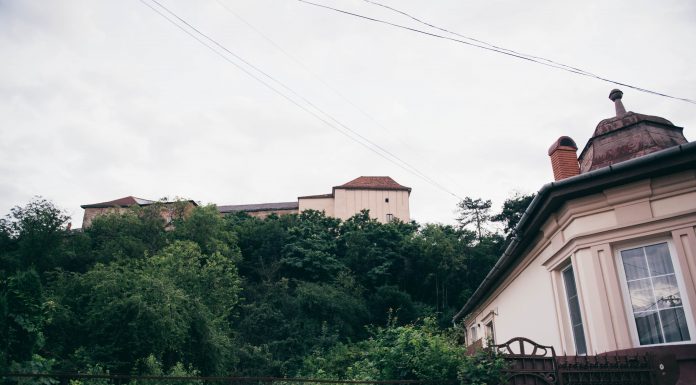
Pidgradska Street is situated in the historical part of Uzhgorod – under Castle Hill. The name of the street began to be used widely in XX century and related to the fact that there was the panorama of the ancient Uzhgorod Castle. Street leads from the Castle Park towards Koryatovicha Square. Formerly the Small Uzh flowed there, that crossed...
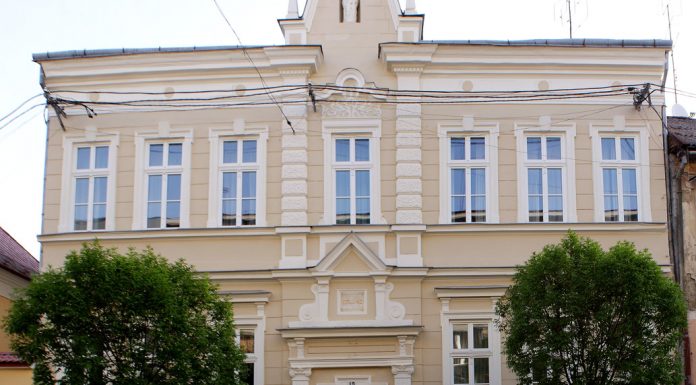
From 1902-1907 the building housed a Christian educational institution for girls: the Roman Catholic Lyceum of St. Gizella. According to Hungarian history, St. Gizella was the wife of the first Hungarian king, Stephen I, who baptized Hungary. During Soviet rule, a music school was created in the building and the sculpture of St. Gizella, the symbol of the building,...
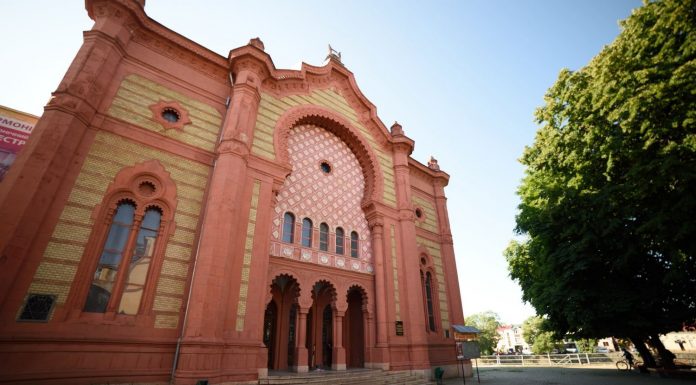
Transcarpathian regional Philharmonia was founded on 19 February, 1946. Philharmonia has located in the building of a former synagogue since 1957. Building of a synagogue was completed in 1904 designed by Transcarpathian architects F.Szabolcs and D. Pappa on the embankment of river Uzh. Calculation of works was 200000 korunas. It was the first reinforced concrete structure in Uzhgorod. The...
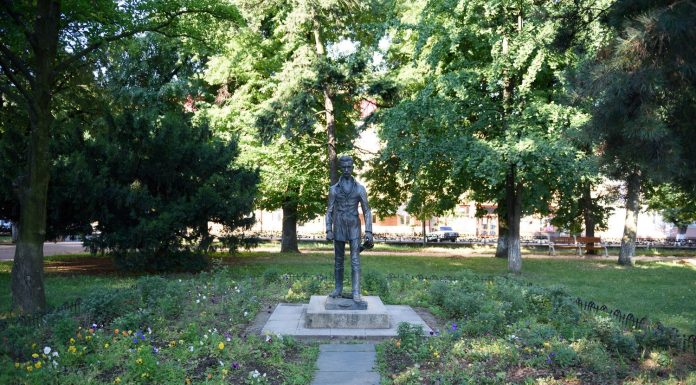
In the ХІХ century the old name of the square was Trading area. In 1990 it was named after the Hungarian poet and revolutionary Shandor Petofi (1823-1849). On July 11, 1847 he was on his way to his lover, who lived in Transylvania, stopped to overnight in Uzhgorod. Night at "Black Eagle" hotel (pl. Petofi, 20) and impressions of...
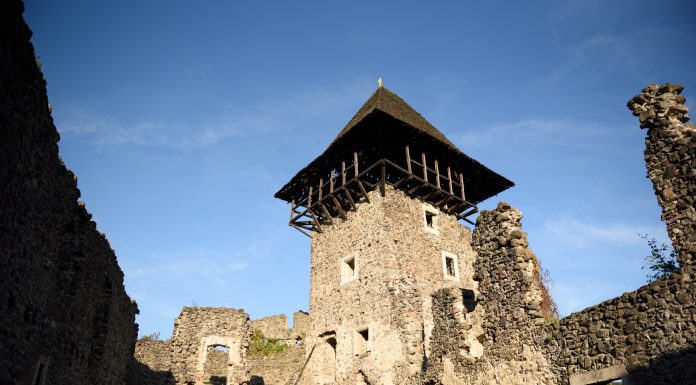
Semi-ruined fortress is placed at 125-meter hill of volcanic origin. The castle firstly was mentioned at the beginning of the XIV century as supporting base of local feudal rebellion against the royal power of Charles Robert Anjou. In the XIV century castle passed to possession of Count Drugets family, who built in place of wooden castle a stone one. In...