

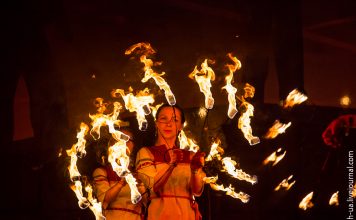
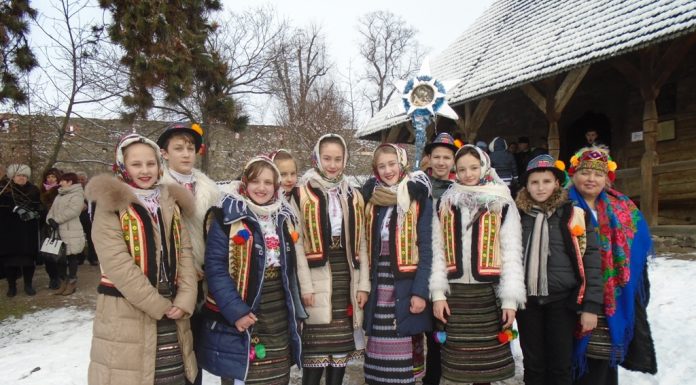
All Transcarpathians and their guests have chance to hear carols in Ukrainian, Slovakian, Hungarian, Romanian and even German. Caroling groups come from all over the region, bringing their Vertep (a portable puppet nativity theatre). The groups entertain guests not only with beautiful singing, but also by acting out funny performances, full of various colourful characters. Visitors can also enjoy...
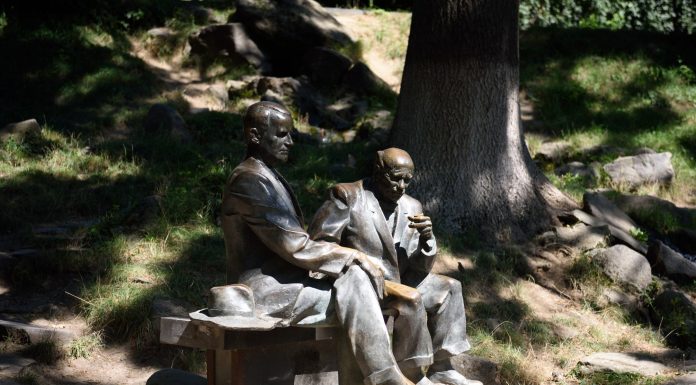
Uzhgorod’s rock garden is a small analogue of Kyiv’s Volodymyr Hill. The rock garden is covered with remnants of natural volcanic rock. There is also a monument to artists Bokshai and Erdeli, founders of the Transcarpathian school of painting. The monument was installed in 1999 in honor of the city’s 1106th birthday. At the top of the garden there’s...
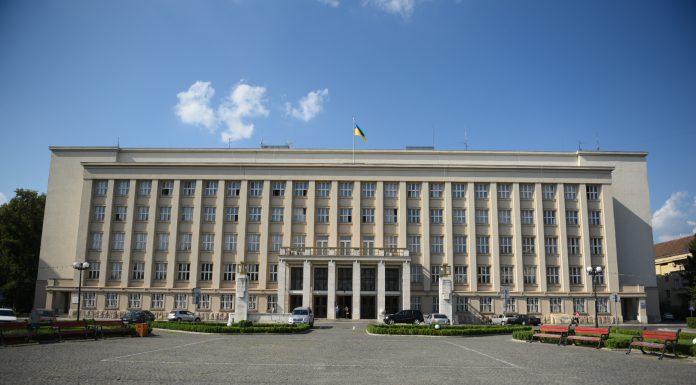
The building of Provincial administration was built in 1934 - 1936, designed by Czech architect Anton Krupka in the style of "constructivism". This style originated in the 20-30 years of the twentieth century and was different from others by new look at simple things. In the architecture an attention is paid not to the rigor of geometry and the...
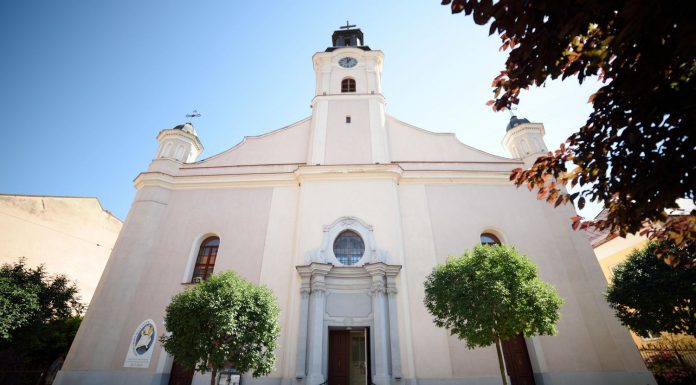
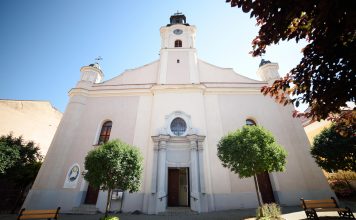
The church of St.Yurii – is a Roman Catholic temple of XVII century. It was constructed by the head of the city – Yurii Druget – on a place of destroyed Lutheran temple. In 1695 owner of the city – earl Bercheni – continued the building. In XVIII century the temple was rebuilt in neobaroque style, famous architect Lucach...
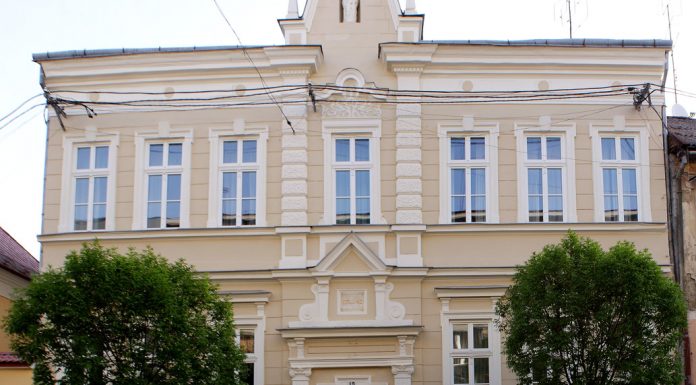
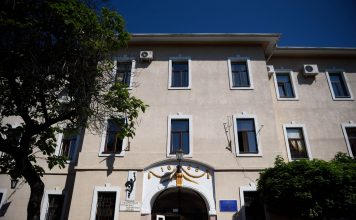
From 1902-1907 the building housed a Christian educational institution for girls: the Roman Catholic Lyceum of St. Gizella. According to Hungarian history, St. Gizella was the wife of the first Hungarian king, Stephen I, who baptized Hungary. During Soviet rule, a music school was created in the building and the sculpture of St. Gizella, the symbol of the building,...
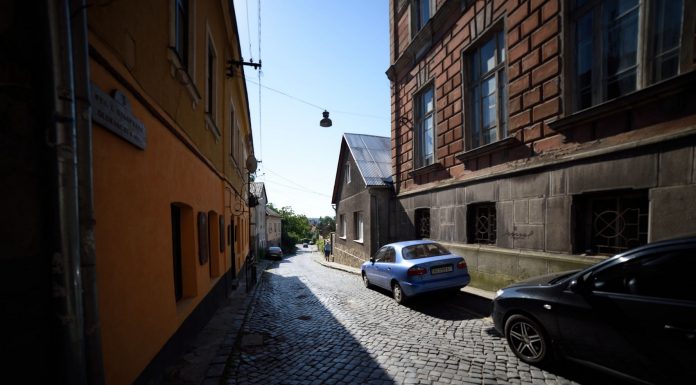
The street named after Czech writer and public figure - Ivan Olbracht, but his real name is Kamil Zeman (6 January 1882, Semili, Bohemiia, Austria Hungary – 20 December 1952, Prague, Czechoslovakia). Adventure novel “Mykola Shuhay - thief” (1933) is a masterpiece of Ivan Olbracht. It was created on folklore and life basis. Hero of the novel - a...
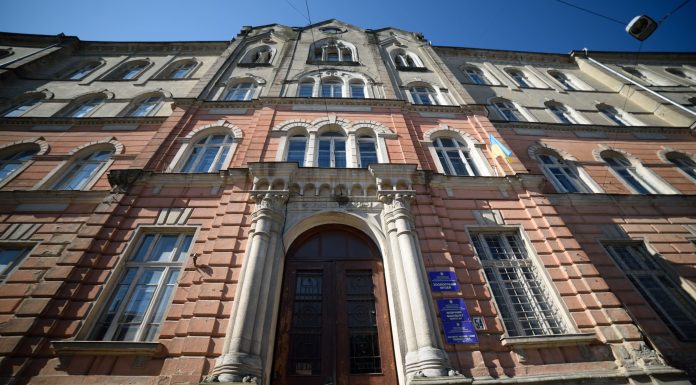
Built as a monastery to educate Basilian monks and Ukrainian children, the building was designed by Uzhgorod architect Ernest Kovosh. Its facade overlooks the street, and originally had four-storey central and three-storey side parts, which contained so-called Hanging Gardens.
This was the tallest building in Uzhgorod until World War II. Since 1947, it has been a part of Uzhgorod State...
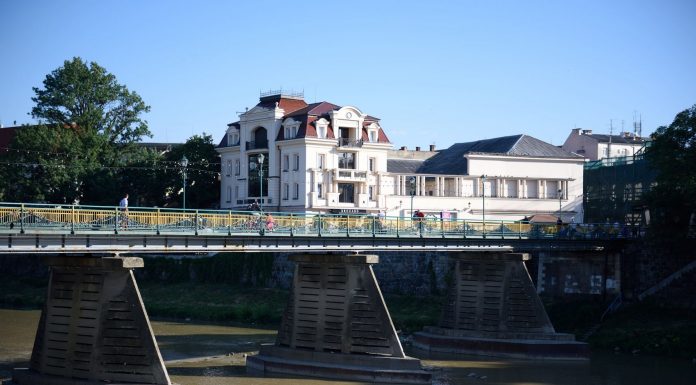
Uzhgorod arose around Castle Hill, which on all sides was washed by Uzh and its branches. In 1361 there were at least two bridges in Uzhgorod: small and big one. The first bridge crossed the river at about the same place where is modern footbridge, it connected old town on the right bank of the river Uzh with the...
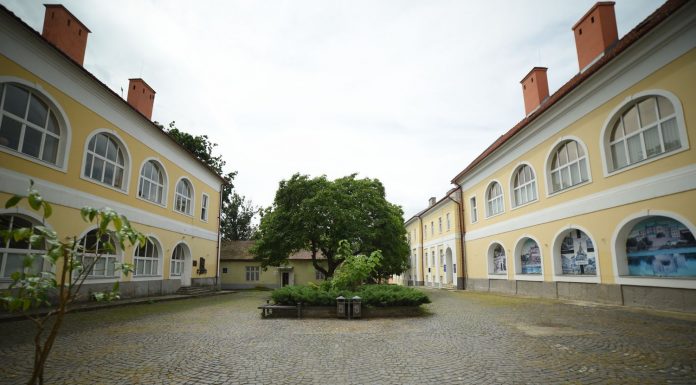
Transcarpathian Regional Museum of Art named after Bokshay is one of cultural and art centers in Transcarpathian region. It was named after Ukrainian painter – Joseph Bokshay (1891-1975). A prerequisite for foundation of the museum was in June 1945, when several rooms in Uzhgorod castle were given to for the exposition of former Zemska Art Gallery. They opened for...
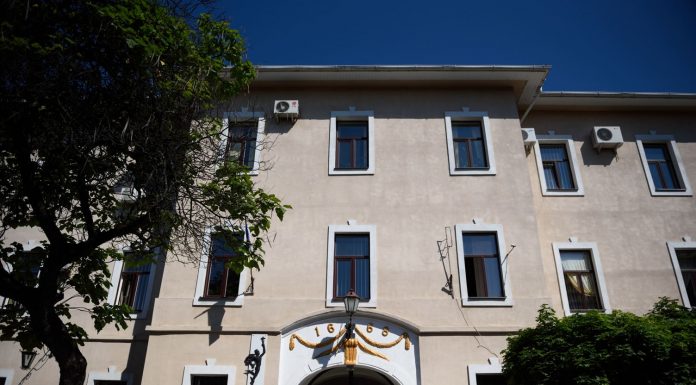
The building was built in the 17th century (1668). Initially, this building housed military barracks, and from the late 18th century, Uzhgorod gymnasium. In 1915 the City School of Commerce was founded, and from 1920 – the State Academy of Commerce. Following this tradition, today it holds the Uzhgorod College of Commerce. A plaque honoring Avhustin Shtefan, a famous...