

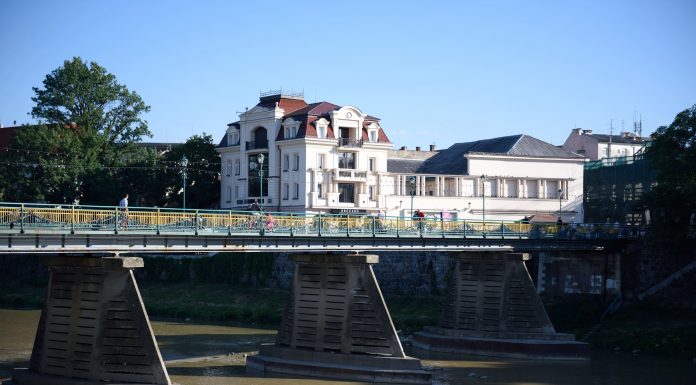
The Pedestrian Bridge has already become a real symbol of Uzhgorod. Earlier, during the 17th–19th centuries, the bridge was wooden and in 1898 the first iron bridge was built.
Take your time and stop for a few minutes on the pedestrian bridge to appreciate the Old and New parts of the town and the longest alley of linden trees in...
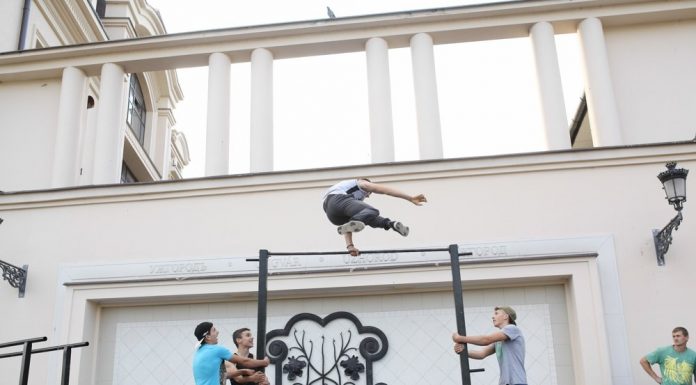
The program of this festival features various performances of individuals and teams from Workout, demonstrations, entertaining contests, competitions and more.
Events like these give flavour to the everyday life of our home town and enable local youth to feel the taste of a healthy life with well-known stars of weightlifting.
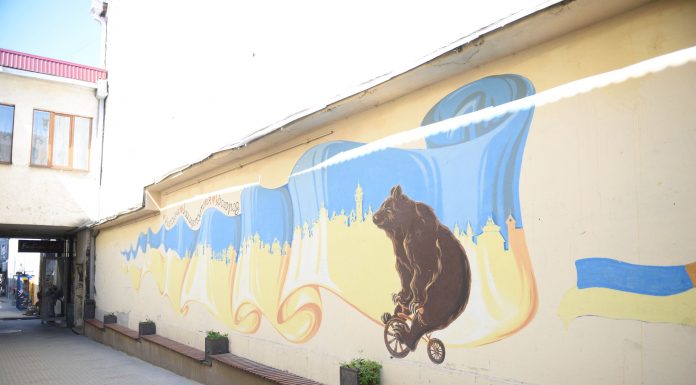
Bat’a Passage was built in 1927-1927, during the period when Uzhgorod and Transcarpathia were part of the Czechoslovakian Republic. It’s named after the Slovakian shoe manufacturer Bat’a. From the side of Theatre Square according to his vision the “Bat’a Palace” was built. On its lower floors there was a large shoe store, and on the upper floors, shoe repair...
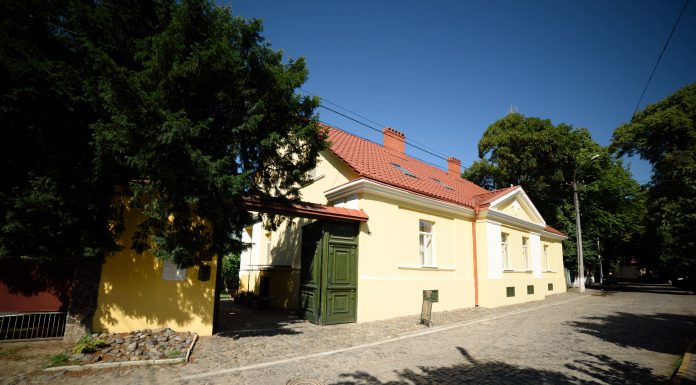
Kapitulna is the oldest street in Uzhgorod, and was once called Castle Street. This was the only street located within the outer fortifications of the castle. In the 17th century it consisted of about 10 households. In the early 19th century the street gradually acquired the name Kapitulna, from “kapituliy”, or “cathedral chapter”, which was the place where advisors...
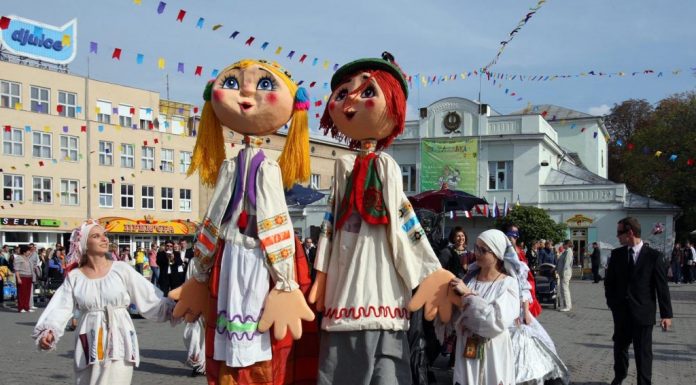
The International Festival "Interpuppet" is held early in October every other year. It brings together creative teams of puppet theaters from different countries. During the festival children of different nationalities living in the area acquire a deeper understanding of their native theatrical art and the art of other neighboring countries, and by this expand their worldview.
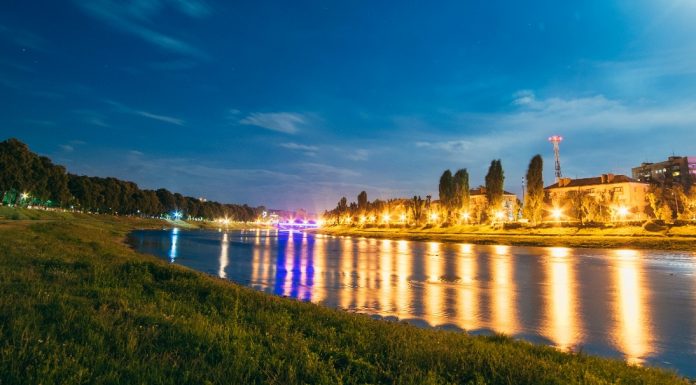
Located on the left bank of the city (the “New Town”), the first written record of this area dates back to 1631. This part of town has developed slowly, as it always suffered from sudden floods. It was only in the 18th century that the local government began making an effort to protect the river’s banks in this area....
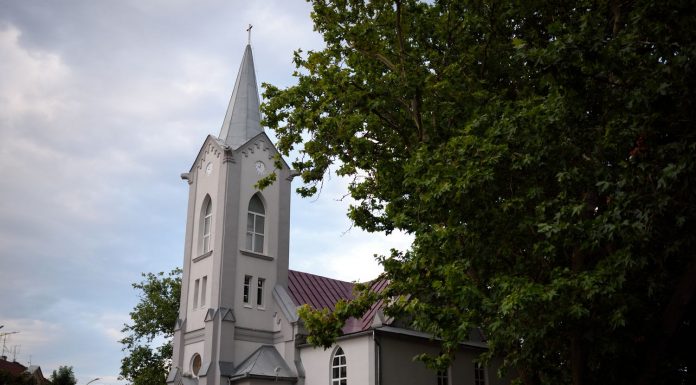
Building of the church began in 1914 and ended in 1919. The church bell was made in the village Mali Heyivtsi in Uzhgorod district. The church was built in the Gothic Revival style. In Soviet times there was sports section of weightlifting and wrestling in the church, pupils who trained there became winners of republican and all-union competitions. Since...
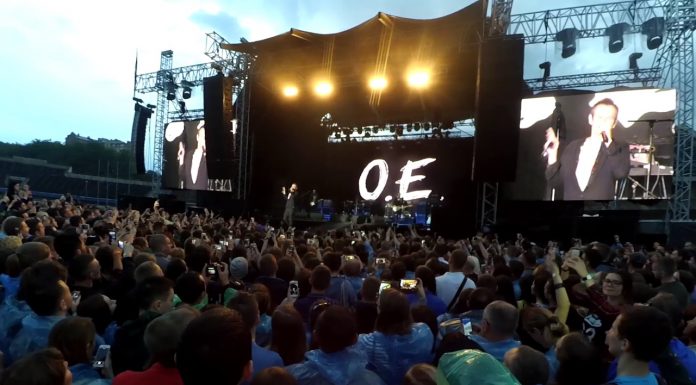
The material and spiritual culture of the city was formed under the influence of members of different ethnic groups living in the Carpathian region, including Hungarians, Czechs, Slovaks, Poles, Romanians, Germans and Jews. This vividly affected the development of arts, architecture, music and customs. As for painting, the Transcarpathian artists were influenced by Western schools.
Each year Transcarpathia holds more...

After joining Subcarpathian Rus to Czechoslovakia, the Government of the Czechoslovak Republic decided to build a new modern area to enhance the prestige of Uzhgorod as the main city of the region. In October 1921 it was developed and published technical specifications for the construction of a new quarter - of Small Halahova with the participation of the government...
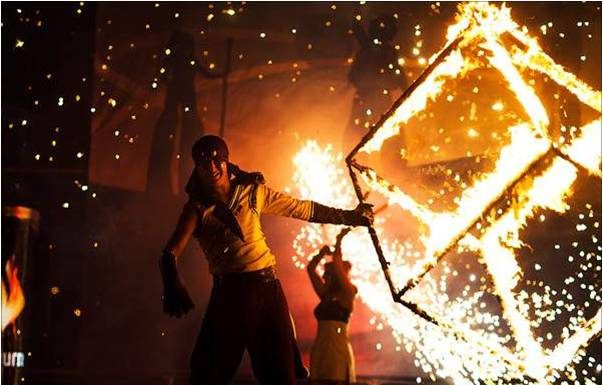
Festival ohňa. Na divákov čakajú vystúpenia divadiel ohňa z celej Ukrajiny i zo zahraničia, ohňové duely, gymnasti, akrobati, žongléri, a rovnako vystúpenia hudobných skupín a záverečná párty.