


Traditionally, the festival is held in the paprika capital of Ukraine, in the village of Mala Dobron in Uzhhorod region. This Festival is held to promote Hungarian and Ukrainian hand-made art, the revival and popularization of national customs and traditions, to broaden the artistic vision of the participants, to enrich their spirituality, to find and support skilled and talented...

Botanical garden was founded on 28 November 1948 on a place where two nut and fruit gardens existed. There were 96 nuts and also apple, pear, cherry, plum, elderberry, rosehips, blackberries and willow. Botanical Garden is located on three terraces with difference in height of 22 meters. One third of area of the garden is located on the first...
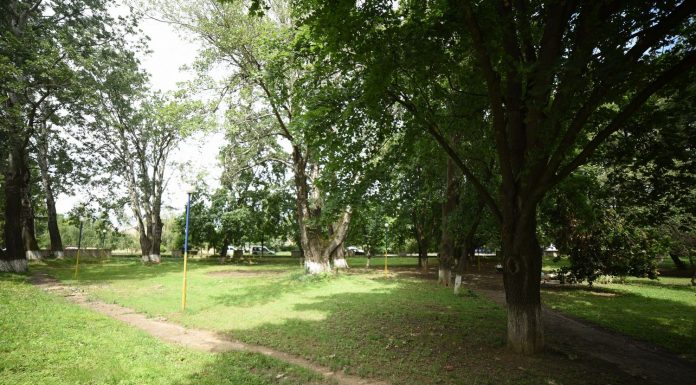
Uzhgorod Laudon dendropark was founded in 1886. It named after its founder - Ishtvan Laudon (1862-1924) - a teacher of Uzhgorod Gymnasium. The park gathered representatives of exotic plants, including 100-year-old magnolia and a 100-year-old cypress swamp height of 20 meters, yew, pine black (Austrian), forest beech, Cryptomeria Japanese and silver apricot. Magnolia tree and relict ginkho appeared in...
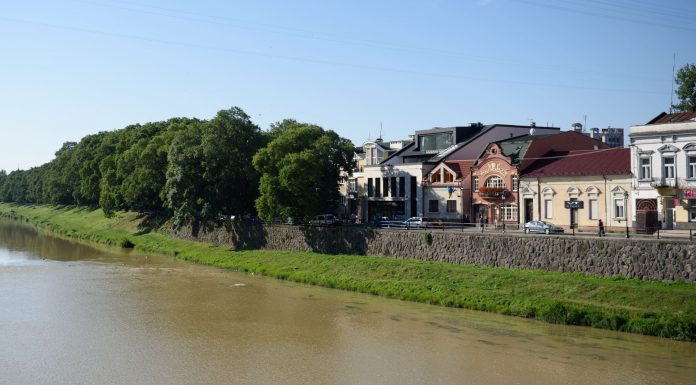
Linden alley is a park-monument of artistic landscaping of local importance in Ukraine. In 1928 Czech botanists collected and planted different varieties of linden tree here, which is why the alley blooms all throughout summer. The Alley is located on the right bank of the river Uzh and its length is 2.2 km. The Alley has about 300 lindens,...
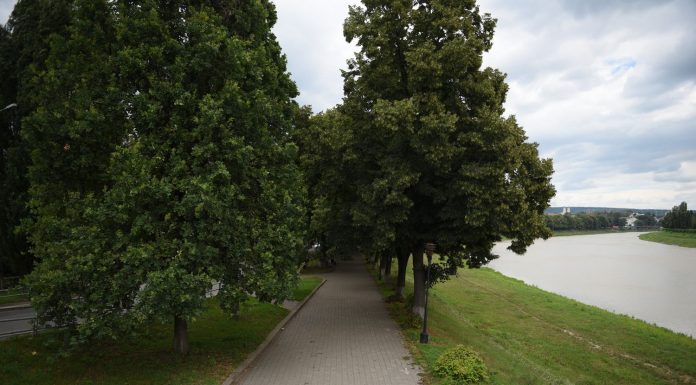
Active cultivation of the right bank embankment began after the First World War. Now it is called "Independence". In 1928 the Czech botanists have collected and planted there different varieties of linden, so that avenue blooms all summer. Linden alley - is a monument of landscape art of local importance in Ukraine. It is run by the Uzhgorod municipality....
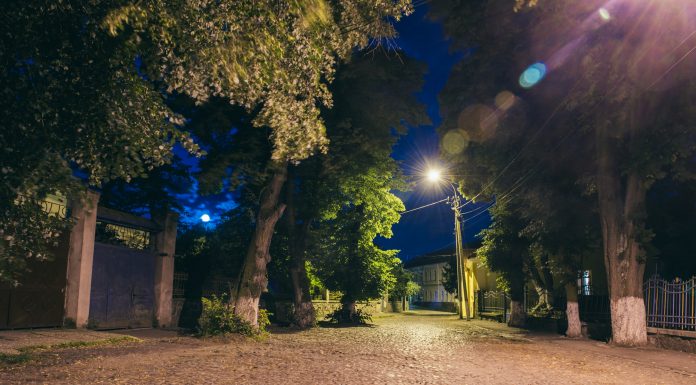
It is the oldest street of Uzhgorod. It was the only street located within the outer fortifications of the castle. In the 17th century it consisted of about 10 households. In the early 19th century the name “Kapitulna” was gradually assigned to the street because of Capitol which was located at the beginning of the street, near houses where...
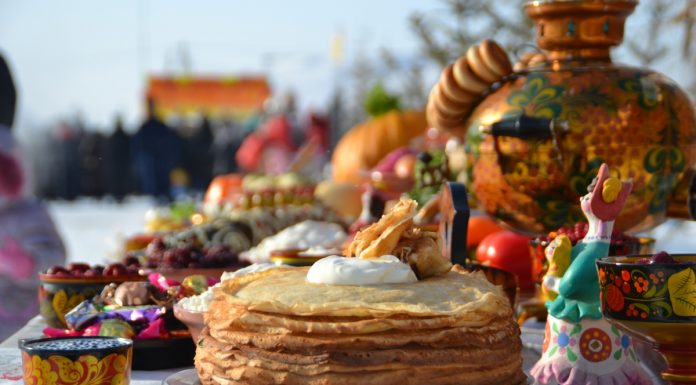
This is a gastronomic festival with a variety of cultural and entertainment programs that combines Transcarpathian and Ukrainian traditions with modern trends. The name of the festival - "Palachinta" – comes from the Hungarian «Palacsinta», which in Transcarpathian dialect means "pancake".
The festival program includes:
* folk festivities, concert programs, fun entertainment and contests
*surprises for children
* prizes for the brave who...
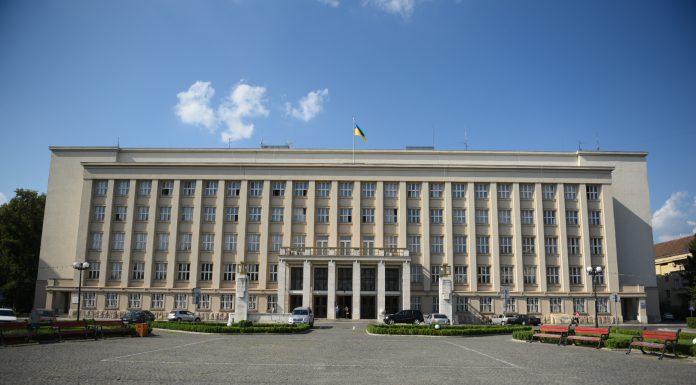
The building of Provincial administration was built in 1934 - 1936, designed by Czech architect Anton Krupka in the style of "constructivism". This style originated in the 20-30 years of the twentieth century and was different from others by new look at simple things. In the architecture an attention is paid not to the rigor of geometry and the...
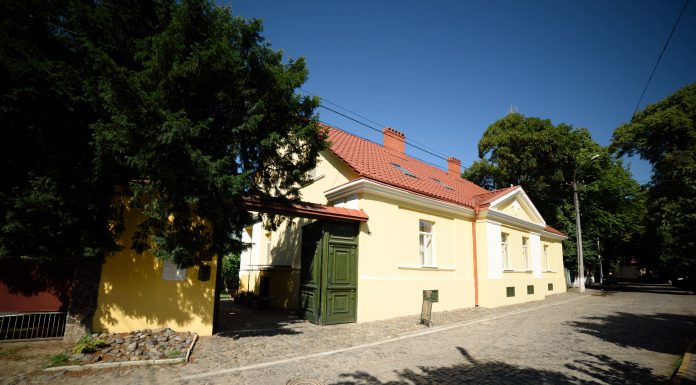
Kapitulna is the oldest street in Uzhgorod, and was once called Castle Street. This was the only street located within the outer fortifications of the castle. In the 17th century it consisted of about 10 households. In the early 19th century the street gradually acquired the name Kapitulna, from “kapituliy”, or “cathedral chapter”, which was the place where advisors...
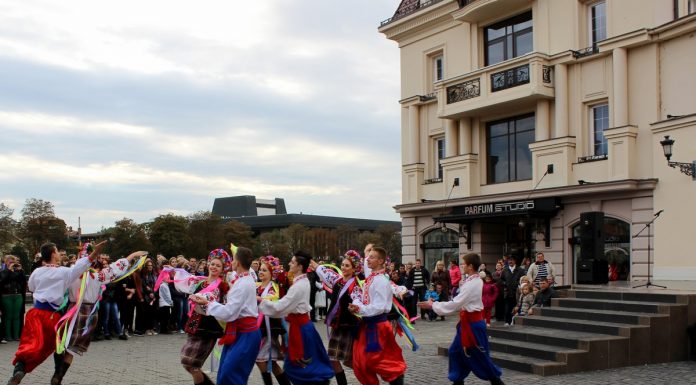
Uzhhorod Day celebrations are held on the last Saturday of September. The city itself was founded more than a thousand years ago - in the year 893, and is named after the river Uzh. Since Uzhhorod is inhabited by different peoples and celebrating its Day is enjoyed by all, you have a great opportunity to learn the culture, lifestyle...